
The Lamplighters League feels like an interesting blend of XCOM-style tactical combat and adventure-driven exploration. At its core, it’s a turn-based tactics game, but what makes it stand out is how it handles the downtime between fights. Before entering combat mode, you’re free to explore the mission areas in real time using WASD movement, which gives the game a welcome sense of freedom and adventure rather than feeling like a constant string of tactical encounters.
Exploration is genuinely rewarding. Taking the time to thoroughly search each mission map often leads to useful resources that can be brought back to camp and invested into upgrades. Whether it’s improving your characters, enhancing weapons, or unlocking other benefits, there’s a good incentive to poke around instead of rushing objectives.
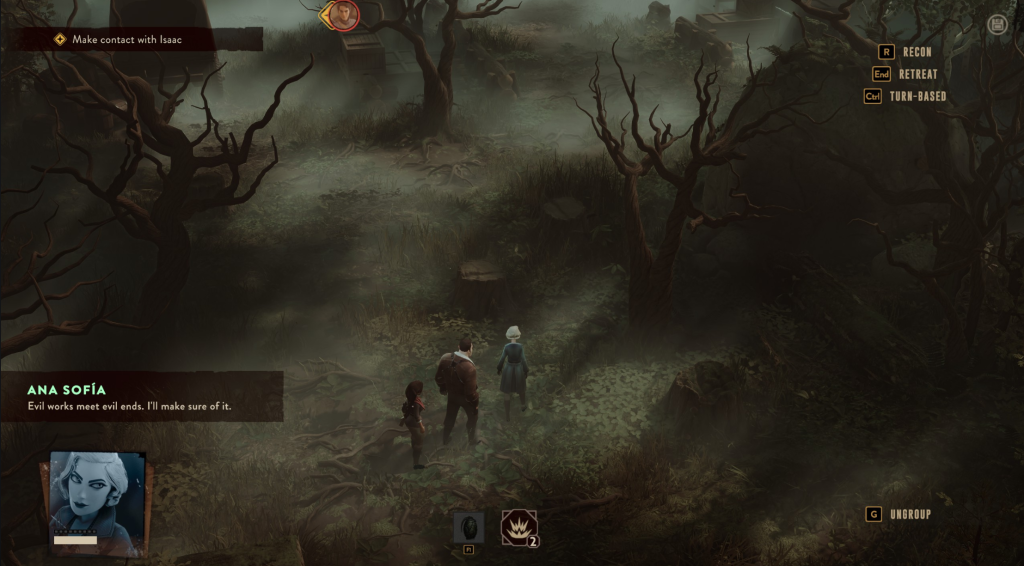
The squad system also adds a nice layer of strategy outside combat. You can move around as a full group or split off and use a single character to scout ahead. Better yet, each character has unique exploration abilities, which makes your team composition matter beyond combat encounters. For example, one of the characters I’ve unlocked can climb ropes to access elevated areas or open doors blocked from the inside, creating alternative routes and opportunities for stealthier approaches.
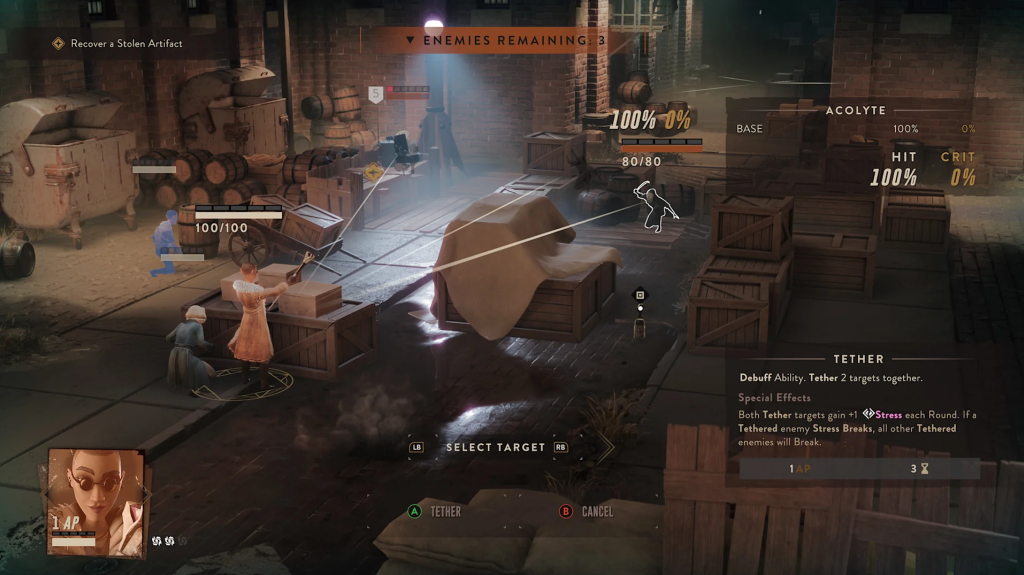
Combat itself will feel familiar to anyone who enjoys XCOM-style gameplay. The characters each bring their own combat styles and abilities to the table, although most of the roster leans heavily on firearms. That said, some of these supposed sharpshooters have hilariously questionable aim at times, expect the occasional frustrating miss that makes you reeeeaaallly question their credentials.
What makes the gameplay more interesting is how much the environment reacts to what’s happening around it. There’s a nice layer of environmental interaction that adds extra tactical depth to encounters. Wet surfaces, for example, can be used to your advantage by placing electric traps to amplify damage, while fire spreads naturally through grassy areas, creating opportunities to control space or flush enemies out. It’s the kind of system that rewards experimentation and makes fights feel more dynamic rather than simply relying on positioning and percentages.
Narratively, the game has been surprisingly engaging so far. You’re fighting against a cult bent on controlling the world and eventually wiping out humanity through the power of a mysterious tower. To gain access to it, you must recover four fragments of a key, giving the story a globe-trotting, pulp-adventure feel. The whole setup carries strong Indiana Jones energy, mixed with dark cult themes and mystery.
Visually, The Lamplighters League absolutely nails its atmosphere. The art style feels like a blend of comic book aesthetics and noir influences, creating a stylish world full of personality. Combined with its adventurous tone, the presentation gives the game a unique identity that separates it from more traditional tactical strategy games.

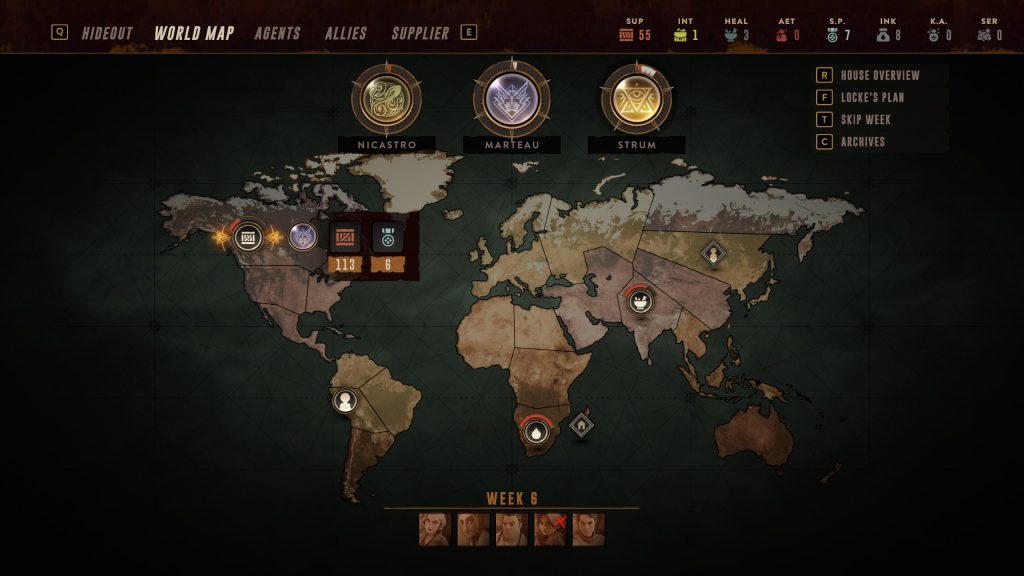
One mechanic worth mentioning is the time-sensitive mission structure. You can’t complete every mission, so choices matter. The game revolves around three factions, each with their own threat timer that progresses as time passes and missions are completed. If one of these timers fills up, it’s game over, or at least, that seems to be the case. It creates a constant sense of pressure and forces you to prioritize. It reminded me a little of Persona 5’s time-management systems, although I should admit I haven’t actually played Persona, so take that comparison lightly.
Performance is probably the weakest aspect of the experience so far. The game suffers from occasional stutters, especially when loading into maps, and my GPU fans sometimes ramp up unexpectedly. Thankfully, outside of those moments, performance has been mostly stable and hasn’t significantly impacted my enjoyment.
Overall, The Lamplighters League has been a really enjoyable surprise. Its mix of tactical combat, rewarding exploration, unique squad mechanics, and stylish presentation gives it a lot of personality. While technical hiccups hold it back a little, the atmosphere and gameplay loop have made for a pretty great experience so far.
[Note: Review based on the final PC version of the game, purchased by me]